 Free service 0551 - 999 63 90
 location & Markets
 newsletter registration
 print Service
 Deutsch
  English

circ Nette reusable for take-away gastronomy
circ Nette Reusable for Restaurants & Takeout
circ Nette Reusable offers reusable containers, boxes, bowls, and cups for restaurants, snack bars, catering, and takeout. The product range includes meal boxes, food bowls, burger boxes, soup tureens, reusable cups, and other solutions for food and beverages.
Many sizes are based on established standards in the takeout industry, making them easy to integrate into existing workflows. Discover the right reusable containers and cups for your business today.
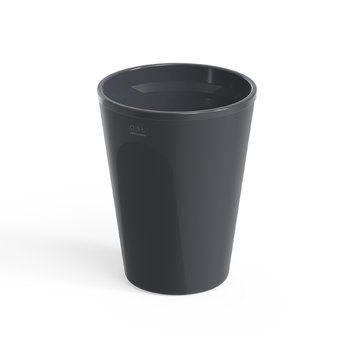
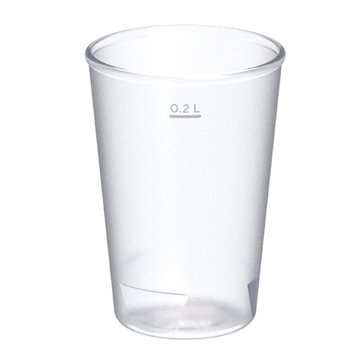
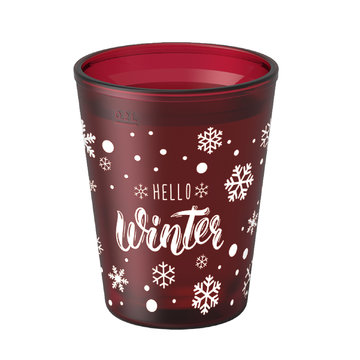
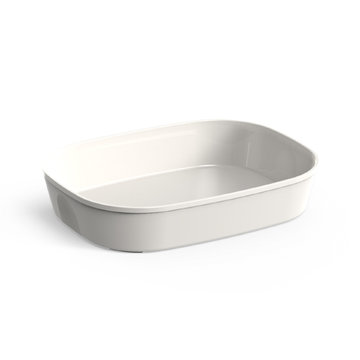
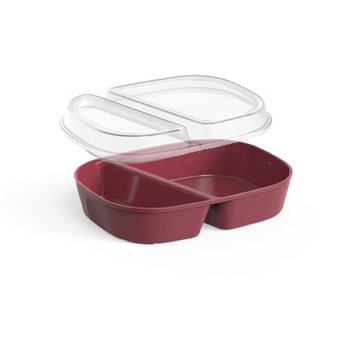
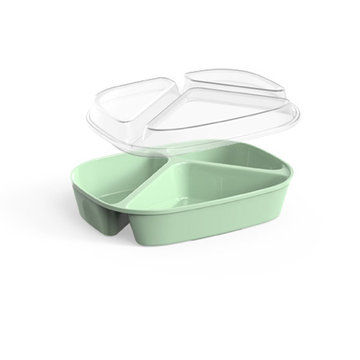
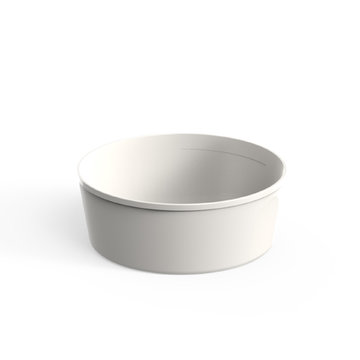

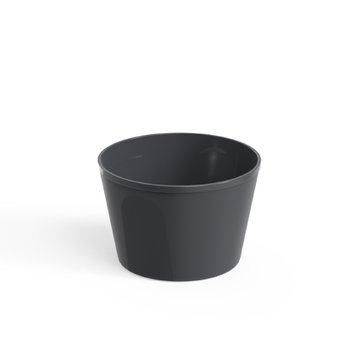
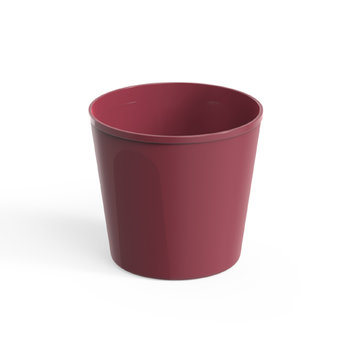
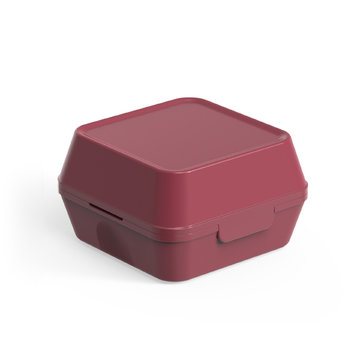
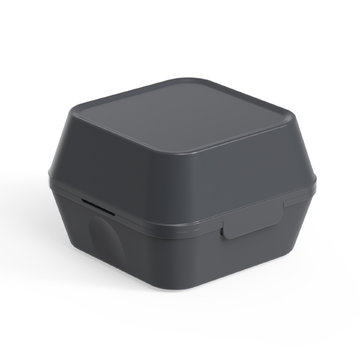
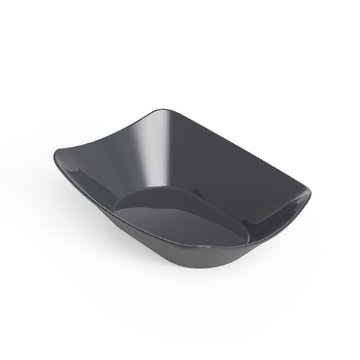
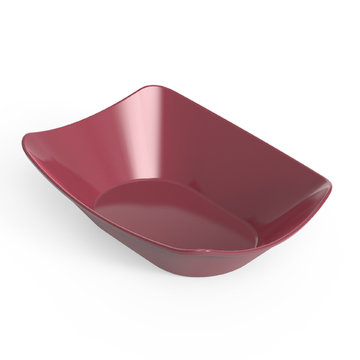
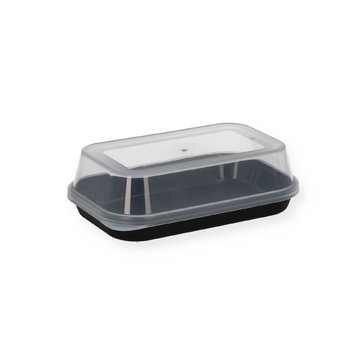
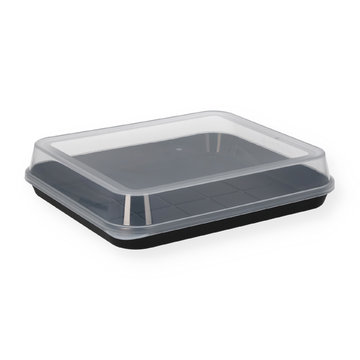
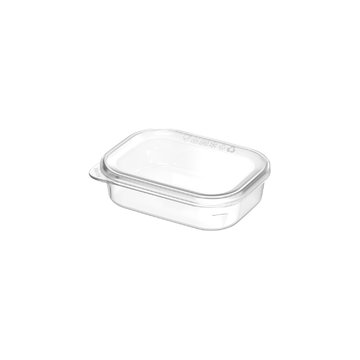
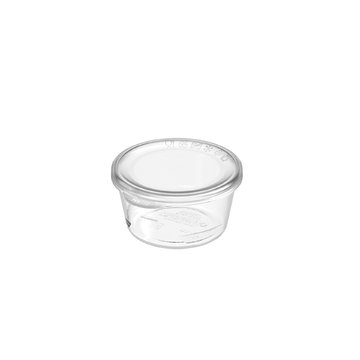
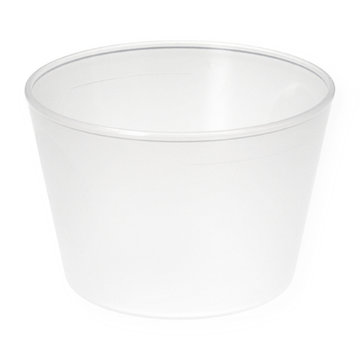
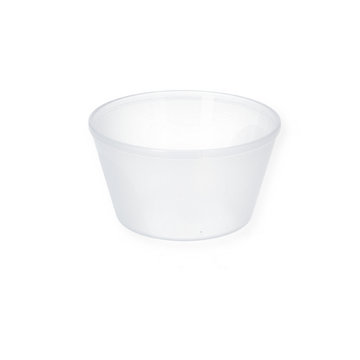
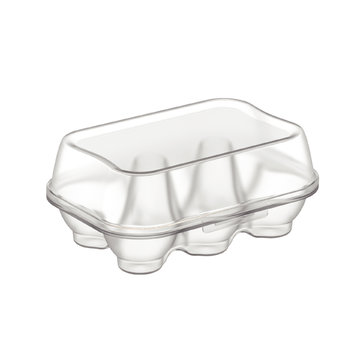
circ Reusable Containers for Professional Food Service and Take-Out
Anyone who sells food and beverages for takeout needs reusable products that fit their portion sizes, workflows, and product offerings. The circ Nette reusable product line was developed to meet typical requirements in the food service and takeout sectors and includes a variety of containers, trays, boxes, and cups for hot and cold foods as well as beverages.
A practical advantage: Many dimensions and capacities are based on formats already established in the takeout sector. Existing portion sizes can therefore often be retained when individual single-use packages are replaced with suitable reusable alternatives.
Depending on the menu, for example, reusable meal boxes, reusable meal trays and food bowls, reusable containers with lids, reusable cups for cold beverages, or reusable coffee-to-go cups can be used.
Why Use circ Reusable Products in Day-to-Day Operations?
A reusable system works particularly well when the products used can be integrated into the business’s actual operations. That’s why circ offers a variety of formats, sizes, and lid options to choose from.
- Various portion sizes: Containers and cups for different quantities of food and beverages.
- Different compartment configurations: Meal boxes are available in undivided, 2-compartment, or 3-compartment versions, depending on the model.
- Matching lids: Lid solutions tailored to each specific product are available for numerous containers.
- Stackable designs: Many products can be stored in a space-saving manner and prepared for serving.
- Designed for repeated use: circ reusable products are designed for multiple uses.
- Wide range of applications: From main courses to burgers, bowls, and soups, to snacks, desserts, and beverages.
Specific material, temperature, and application properties may vary by item. Information regarding dishwasher, microwave, or freezer safety, for example, can therefore be found directly on the respective product page.
Reusable containers made of polypropylene
A significant portion of the circ product line consists of polypropylene (PP). This material is used for numerous reusable food containers and cups and enables dimensionally stable products designed for repeated use.
Polypropylene is, in principle, recyclable as a material. However, whether a product is actually recycled at the end of its useful life depends on the existing collection, sorting, and recycling infrastructure. For this reason, we avoid making blanket statements such as “100% recyclable” or guaranteeing complete material recycling.
The same applies to statements about environmental impact: Whether a reusable system offers ecological advantages over a specific single-use solution depends, among other things, on the number of times it is reused, transportation routes, cleaning, and the return rate. Therefore, the key to a functioning reusable cycle is not the material alone, but its actual repeated use.
Reusable Solutions for Various Food Service Concepts
Packaging requirements vary depending on the establishment and the menu. A burger joint needs different containers than a sushi restaurant, a cafeteria, or an ice cream parlor. The wide range of circ products therefore allows for a selection tailored to actual needs.
Restaurants, Delivery Services, and International Food Service
For complete meals, reusable meal boxes with various compartment configurations are ideal. Bowls, pasta, salads, and other dishes can be served in reusable trays and food bowls.
The product range is complemented by specialized formats such as burger boxes, sushi boxes, soup tureens, and other takeout containers. This allows different sections of a menu to be equipped with the appropriate reusable formats.
Snack Bars, Food Trucks, and Kiosks
For snack bars and food trucks, the focus is on quick service, organized storage, and appropriate portion sizes. Burger boxes, snack trays, reusable plates, meal containers, and beverage cups allow for a selection tailored to the specific menu offerings.
Catering, Cafeterias, and Events
For catering, institutional food service, and events, in addition to product selection, factors such as available quantities, storage, return, and cleaning play a particularly important role. Different circ products can be combined for beverages, complete meals, and smaller dishes.
Delicatessens, Farm Stores, and Market Stalls
Smaller reusable containers and dressing cups are ideal for portion-sized foods such as dips, antipasti, dressings, and similar items. Additional sizes are also available in the circ range for direct sales and market stalls.
Ice Cream Parlors and Beverage Service
For cold beverages, circ reusable cold drink cups are available in various sizes. Additional cup sizes can be used for ice cream, desserts, or other offerings.
Don’t Just Buy Reusable Containers—Help Plan the Cycle
For the successful introduction of a reusable system, it’s not enough to simply select the right packaging size. It’s also important to organize the entire usage cycle.
Before implementation, the following points in particular should be considered:
- How many food and beverage items are sold for takeout each day?
- What container sizes are actually needed?
- How many different sizes make sense?
- How will the containers be returned?
- How are used and cleaned containers stored separately?
- What dishwashing and cleaning capacities are available?
- What reserve stocks are needed?
- Should a deposit system or another return model be used?
Realistic planning helps tailor the reusable container lineup to actual needs. Instead of using as many different containers as possible, it may make more sense in day-to-day operations to cover as much of the menu as possible with just a few well-suited sizes.
Reusable Container Requirements and the PPWR: What Food Service Businesses Should Know
Reusable packaging is also playing an increasingly important role in European and German packaging law. In Germany, certain food service establishments have been subject to a requirement to offer reusable packaging under the Packaging Act since January 1, 2023. Whether and to what extent an individual establishment is affected depends on the legal requirements and the specific packaging situation.
In addition, the European Packaging Regulation (PPWR)—Regulation (EU) 2025/40—has been in effect since August 12, 2026. Among other things, it contains requirements for reusable packaging and additional guidelines for the takeout sector.
Customers’ Own Containers Starting in 2027
By February 12, 2027, affected end retailers in the HORECA sector must, as a general rule, provide a system whereby consumers can bring their own containers to be filled with hot or cold beverages as well as ready-to-eat takeout meals.
Reusable Packaging Option Starting in 2028
By February 12, 2028, affected retailers in the HORECA sector must, in principle, also offer consumers the option to receive takeout beverages or ready-to-eat meals in reusable packaging as part of a reuse system.
The PPWR contains further requirements, detailed regulations, and exceptions in this regard. Among other things, Article 33 provides for an exception for certain micro-enterprises. The specific obligations of a business should therefore be assessed based on the applicable legal requirements.
Important: The use of a single reusable container does not automatically mean that all legal requirements for a reuse system are met. Containers, return, collection, cleaning, and reuse must be considered as a comprehensive system.
Municipal Packaging Tax: Reusable as a Possible Alternative to Single-Use
In addition to federal and European regulations, municipal packaging taxes are also playing an increasingly important role. Cities and municipalities may, based on their respective bylaws, impose taxes on certain types of single-use packaging, single-use cups, or single-use tableware.
Depending on the specific municipal regulations, reusable packaging may be treated differently or be exempt from such a tax. However, this does not imply a uniform nationwide tax exemption for reusable packaging.
Restaurants, snack bars, cafés, food trucks, and other take-out establishments should therefore review the regulations applicable to their specific location. Whether a reusable system offers economic advantages over the use of taxable single-use packaging depends, among other things, on local tax statutes, the number of uses, the return rate, cleaning, procurement, and potential losses.
Packaging Tax by Federal State
Local developments vary from state to state. In our regional overviews, you’ll find information on current discussions and developments regarding packaging taxes and reusable packaging:
- Packaging Tax in Baden-Württemberg
- Packaging Tax in Bavaria
- Packaging Tax in Berlin
- Packaging Tax in Brandenburg
- Packaging tax in Bremen
- Packaging Tax in Hamburg
- Packaging Tax in Hesse
- Packaging Tax in Mecklenburg-Western Pomerania
- Packaging Tax in Lower Saxony
- Packaging Tax in North Rhine-Westphalia
- Packaging Tax in Rhineland-Palatinate
- Packaging Tax in Saarland
- Packaging Tax in Saxony
- Packaging Tax in Saxony-Anhalt
- Packaging Tax in Schleswig-Holstein
- Packaging Tax in Thuringia
Note: The regional pages are provided for informational purposes only. Municipal resolutions and tax ordinances are subject to change. Therefore, the currently applicable ordinance of the respective city or municipality is always decisive when assessing a specific business.
Frequently Asked Questions About circ Reusable
For which businesses is circ Nette Reusable suitable?
The product line is designed for, among others, restaurants, snack bars, food trucks, cafeterias, caterers, cafés, ice cream shops, event organizers, delicatessens, and other businesses that offer takeout. Which products are suitable depends on the menu, portion sizes, and business operations.
What material are circ reusable containers made of?
A significant portion of circ products is made of polypropylene (PP). You can find the exact material composition and other product specifications listed for each item.
Are circ reusable containers dishwasher-safe?
Many circ reusable products are designed for cleaning in the dishwasher. Since products and usage guidelines may vary, please refer to the information on the respective product page.
Are circ reusable containers microwave-safe?
Various circ containers can be used in the microwave according to their respective product specifications. Different guidelines may apply to containers and lids. Therefore, please follow the specific usage instructions.
Are reusable products automatically more environmentally friendly than single-use ones?
It is not possible to make a blanket statement. The environmental impact depends, among other things, on how often a product is actually reused, how cleaning and transportation are organized, and what type of single-use packaging it is being compared to.
Are reusable containers automatically cheaper than single-use ones?
Cost-effectiveness must also be evaluated on a case-by-case basis for each business. With repeated use, the initial purchase costs are spread across multiple uses. At the same time, factors such as cleaning, return processing, logistics, and potential losses must be taken into account.
Can reusable packaging help avoid municipal packaging taxes?
Depending on local ordinances, reusable packaging may be exempt from a packaging tax or treated differently than certain types of single-use packaging. Whether this applies in a specific case depends exclusively on the applicable local regulations.
What changes will the PPWR bring for takeout establishments?
The PPWR is gradually introducing additional requirements. For affected HORECA retailers, the regulations regarding filling customer-owned containers by February 12, 2027, and offering reusable packaging within a reuse system by February 12, 2028, are particularly relevant. Additional requirements and exceptions apply.
Selecting the Right circ Reusable Products for Your Business
A good reusable product range doesn’t have to consist of as many different products as possible. What matters most is that container sizes and shapes match your actual food and beverage offerings and can be seamlessly integrated into your serving, return, storage, and cleaning processes.
From reusable meal boxes to food bowls and reusable trays, all the way to reusable cold drink cups and reusable coffee-to-go cups: Put together your circ assortment to suit your business.
Not sure which sizes or quantities are right for your menu? Take advantage of our expert advice and plan your reusable equipment based on your actual portion sizes and operational processes.