 Free service 0551 - 999 63 90
 location & Markets
 newsletter registration
 print Service
 Deutsch
  English
- Home
- To Go packaging
- Suppenbehälter to go (8)
- To Go packaging
- Burger Box
- Reusable To Go: Sustainable solutions for the food service industry
- Döner Box
- Asia Boxen
- Menu trays
- Menu boxes
- Pizza boxes
- Suppenbehälter to go
- Sushi-Verpackungen
- Disposable tableware
- Disposable cutlery
- Wrapping paper and fresh pack
- Papers and films
- Fast food & snack packaging
- Pastry packaging
- Cups & bowls
- Backtrays & Backformen
Suppenbehälter to go
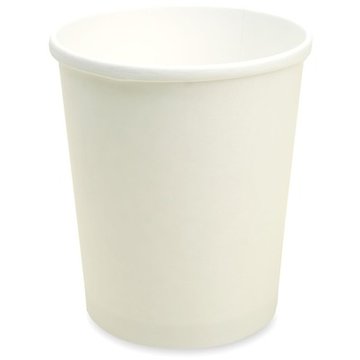
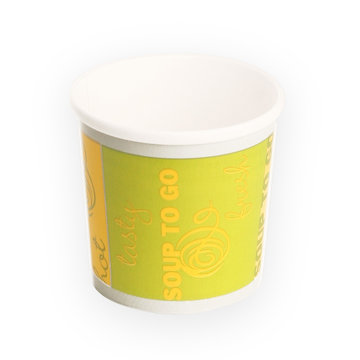
Takeout soup containers are the practical solution for restaurants, snack bars, catering services, cafeterias, and delivery services. Our product range includes soup cups and soup bowls in various sizes and materials—perfect for soups, stews, curries, and other hot dishes. Depending on the model, you can choose from containers made of heavy-duty paper, bamboo, or durable plastic.
When ordering, be sure to note the desired capacity and the appropriate product series. Many soup containers and lids are sold separately. Therefore, check the diameter and compatibility to ensure that the cups and lids fit together securely. Whether it’s a small appetizer, a classic serving of soup, or a full meal: Discover the right takeout soup containers for your professional food service business now.
Choosing the Right Takeout Soup Containers
The right soup containers for takeout depend on portion size, type of dish, mode of transport, and desired sales unit. For a small appetizer, you’ll need a different soup cup than for a hearty stew, a curry, or a large main course. The material, container diameter, and matching lid must also be coordinated.
Our product range offers restaurants, snack bars, soup bars, cafeterias, catering services, and delivery services a variety of takeout soup cups, soup bowls, and matching lids. First, select the appropriate container, then choose the precisely matching lid from the corresponding product series.
Which lid fits which soup container?
For many models, soup cups and lids are sold separately. It’s not just the capacity that matters—the top diameter, shape, and product series must also match. Therefore, a lid for a 400-ml cup does not automatically fit every other soup container with a comparable capacity.
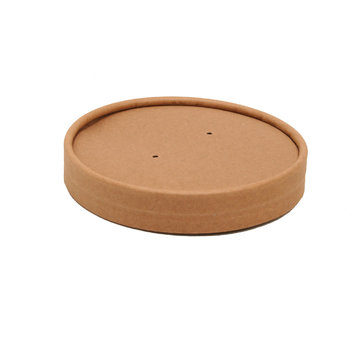
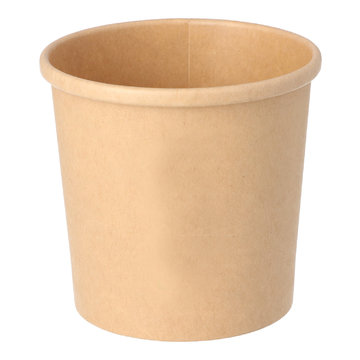
- Brown soup cups made of hard paper: Choose the brown steam lid listed as an accessory for the desired cup size on the respective product detail page.
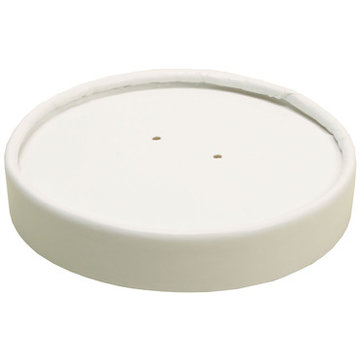
- White soup cups made of hard paper: Use the cups exclusively with the corresponding white lid. Depending on the model, different diameters are required.
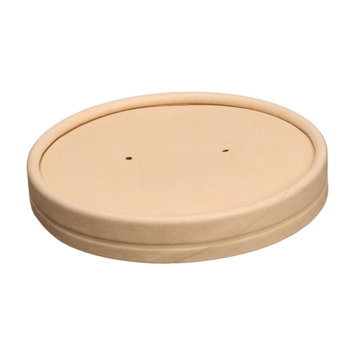
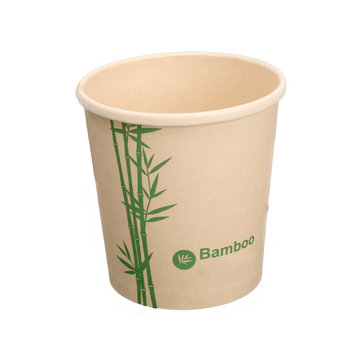
- 750-ml bamboo soup cups: A dedicated lid is available for this product line.
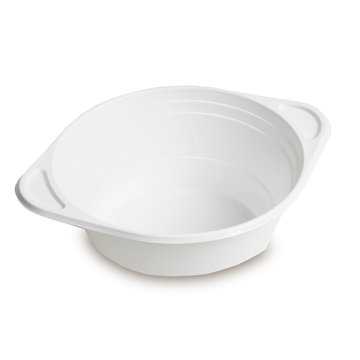
- Soup tureens and plastic bowls: Check the product page to see if a separate lid is offered and for which variant it is intended.
Ordering Note: Before placing your order, open the page for the desired cup variant and verify the accessory listed there. The name, diameter, capacity, and product series should match exactly. This will help you avoid ordering the wrong items.
Why do some lids have vent holes?
When serving hot food, steam can build up inside a closed soup cup. Vented lids have small openings that allow some of this steam to escape, thereby reducing the pressure inside the container. However, these openings are no substitute for careful handling: Do not fill the cup to just below the rim, and transport it upright whenever possible.
Which size is suitable for which portion?
The required filling volume depends on the food and the intended portion size. Soups with large chunks often require more space than pureed soups. Also, leave enough space from the rim so that the lid can be placed on securely.
| Filling Volume | Typical Use | Suitable for |
|---|---|---|
| approx. 300 ml / 12 oz | Small portion | Appetizer soups, side dishes, desserts, or tasting portions |
| approx. 400 ml / 16 oz | Classic portion | Soups, small stews, chili, and dishes with few ingredients |
| approx. 750 ml / 26 oz | Large main course | Stews, curries, goulash, rice and pasta dishes |
| approx. 900 ml / 32 oz | Very large portion | Hearty meals or dishes with large additions |
These figures are for guidance only. When trying new dishes, test a sample portion to determine which size best fits your actual serving size. In addition to volume, consider the ingredients, fill level, and transport route.
Cardboard, bamboo, or PP: Which material is right?
Soup cups made of cardboard
Hard paper soup cups are a classic solution for takeout. They are lightweight, stackable to save space, and available in various sizes. Brown kraft paper versions convey a natural presentation of the product, while white soup cups have a neutral appearance and blend into many food service concepts.
Some of the hard paper cups are coated. Please refer to the specifications for the respective variant to determine which foods may be served in them and the applicable temperature ranges.
Bamboo-Look Soup Cups
Bamboo-based versions are ideal for businesses that prioritize a natural design for their to-go packaging. The 750-ml container offers ample space for larger portions, curries, stews, or dishes with garnishes. Be sure to use only the lid provided.
PP soup bowls
Polypropylene soup bowls are lightweight and durable. Depending on the model, they are suitable for various hot or cold dishes. Please refer to the specific information regarding temperature resistance, microwave safety, lids, and usage on the respective product page.
Soup Containers for Restaurants, Snack Bars, and Delivery Services
Takeout soup containers are needed wherever liquid or semi-liquid foods are served and transported. Typical applications include:
- Restaurants and eateries with takeout service
- Snack bars, food trucks, and street food stands
- Soup bars and soup kitchens
- Catering, cafeterias, and institutional food service
- Weekly markets, farm stands, and mobile food stalls
- Delivery services and takeout concepts
- Events and seasonal markets
In addition to traditional soups, suitable containers—depending on the product type—can also be used for stews, chili, goulash, curries, dal, rice dishes, pasta with sauce, porridge, or desserts.
Filling and Transporting Soup Cups Safely
A properly fitting lid is essential for transport. Actual transport safety also depends on the fill level, temperature, food consistency, and handling.
- Use only the lid designed for the specific product series.
- Press the lid evenly and firmly onto the container.
- Leave sufficient space between the food and the rim of the cup.
- Remove any liquid and food residue from the rim of the lid.
- Place the soup container upright in suitable transport packaging.
- Check the seal before handing it over or shipping it.
- Follow the instructions regarding the maximum operating temperature.
Terms such as “leak-proof” or “microwave-safe” do not automatically apply to every soup cup. The properties of the specific model selected and its corresponding lid are always decisive.
Which packaging is suitable for which food?
Soup containers are specifically designed for liquid, semi-liquid, and sauce-heavy foods. For other dishes, related packaging categories may be more suitable.
Soup container or salad bowl?
For soups, stews, and liquid curries, we recommend soup cups with matching lids. For cold salads, antipasti, fruit, and dishes that are meant to be visually presented, you’ll find suitable salad bowls and takeout salad containers.
Soup containers or meal trays?
Soup cups are suitable for dishes served together in a single container. If a meal consists of a main course and several side dishes, or if components need to remain separate, meal trays are usually the better choice for complete main courses.
Soup container or Asia Box?
Asia Boxes are primarily intended for noodle, rice, and wok dishes with a predominantly solid consistency. For Asian soups, liquid curries, or dishes with a lot of sauce, however, you should choose a soup container with a matching lid.
Soup container or deli cup?
Deli cups are designed for smaller portions of deli salads, spreads, antipasti, dips, and side dishes. For full portions of hot soup, soup cups usually offer the more suitable size and larger capacity.
Disposable soup containers or reusable options?
Disposable soup cups are particularly suitable for spontaneous sales, delivery services, events, and locations without an organized return system. Reusable containers are an alternative for businesses that can integrate return, storage, and cleaning into their operations.
For repeat customers, workplace dining, cafeterias, or deposit systems, you’ll also find circ reusable tableware for takeout and the food service industry in our shop. When making your decision, consider factors such as return rates, washing capacity, storage, and transportation costs.
Accessories for Professional Soup Sales
Complement your soup containers with suitable accessories for serving and takeout sales:
- Disposable cutlery and spoons for takeout
- Dispenser napkins for restaurants and snack bars
- Meal trays for main courses and side dishes
- Additional snack packaging for takeout
- Catering supplies and packaging
FAQs about takeout soup containers
What size should a soup container be?
For small appetizers, about 300 ml may be sufficient. About 400 ml is often suitable for a standard serving of soup. For large stews, curries, or main courses, containers holding about 750 or 900 ml are a good choice. The key factors are portion size, ingredients, and the space needed between the contents and the lid.
Are soup cups and lids sold together?
For many items, soup bowls and matching lids are sold separately. Therefore, be sure to check the product description and the accessories section for the selected variant before placing your order.
How do I find the right lid?
First, select the soup cup, then open the accessories section listed on the product detail page. The product series, shape, and diameter must match the container variant.
Are takeout soup containers leak-proof?
Leak-proof performance depends on the container-lid combination and proper use. Use the matching lid, keep the rim clean, close the cup completely, and transport it upright.
Why do some soup cup lids have small holes?
The vent holes allow for pressure and steam equalization when the food is hot. Nevertheless, the container should be sealed carefully and transported upright.
Are all soup cups microwave-safe?
No, microwave safety cannot be assumed across the board for all materials. Only use a container in the microwave if this is explicitly stated in the product information.
Can I also use soup containers for curries and stews?
Many models are also suitable for stews, chili, goulash, curries, and other sauce-heavy dishes. Check in advance to ensure that the volume, material, and usage characteristics are suitable for the specific dish.
Which soup containers are suitable for delivery services?
For delivery services, sturdy containers with a snug-fitting lid and sufficient capacity are important. Additionally, the containers should be transported upright and secured to prevent slipping.
Are soup containers available in small retail packages?
Our product range includes both small packs for lower demand as well as larger units for restaurants, catering, and regular takeout sales.
What is the difference between a soup cup and a soup bowl?
Soup cups are usually tall and round and are often paired with a separate lid. Soup bowls or soup tureens can be wider and may have handles. Which design is more suitable depends on portion size, serving method, and transport route.