 Free service 0551 - 999 63 90
 location & Markets
 newsletter registration
 print Service
 Deutsch
 English

- Home
- Cleaning & hygiene
- Waste disposal
- Trash Bags for the Food Service, Cleaning, and Commercial Sectors (6)
Trash Bags for the Food Service, Cleaning, and Commercial Sectors
Bin liners for catering, retail and care facilities
In the hospitality industry, commercial kitchens, retail or care facilities, choosing the right bin liner is an often underestimated but crucial element for well-organized waste disposal. At Nette Deutschland, you will find exactly the products you need - whether for organic waste, regular waste disposal or special applications. Our bin liners are the perfect solution for your business.Take advantage of our selection of tear-resistant, hygienic and recyclable bin liners - ideal for professional use.
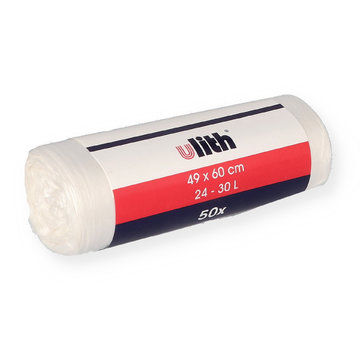
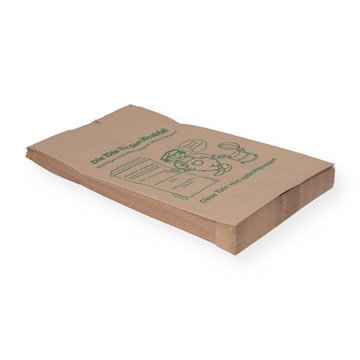
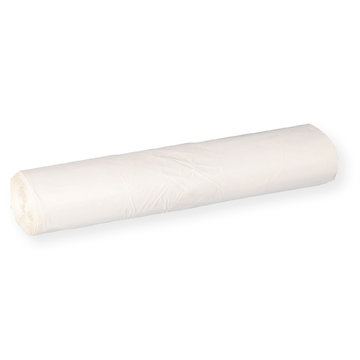
Trash Bags and Garbage Bags for Commercial Use
Whether in the food service industry, retail, office buildings, or building cleaning: Waste bags are needed for the collection and disposal of waste that are compatible with existing waste containers and the types of waste generated.
At Nette, you’ll find trash bags and liners for a variety of commercial applications. The product range includes plastic trash bags as well as paper compostable bags in various sizes and styles.
When making your selection, you should pay particular attention to the capacity of the waste container, the dimensions of the bag, and the nature of the waste to be collected. Different bag designs may be suitable for lightweight paper waste than for wet or heavy waste from kitchen operations.
Plastic Trash Bags for the Food Service Industry, Cleaning, and Commercial Use
Plastic trash bags are used in various commercial sectors to collect suitable types of waste. Depending on the design, different sizes, colors, and film thicknesses are available.
The selection depends on the intended use and the characteristics of the waste generated. In addition to capacity, key selection criteria may include film thickness, bag dimensions, and the construction of the bag’s base.
HDPE trash bags for various waste containers
HDPE stands for high-density polyethylene. This plastic is used, among other things, to manufacture trash bags and waste bags.
Depending on the product design, HDPE trash bags can be used for collecting suitable dry or wet waste. Which bags are suitable for your operation depends, among other things, on the material thickness, the dimensions, and the intended load.
For heavy or sharp-edged waste, you should check whether the specific bag design is suitable for the intended conditions of use. A specific tear resistance or load-bearing capacity cannot be determined from the material designation “HDPE” alone.
Trash Bags for Smaller and Larger Waste Containers
Smaller trash bags are often needed for waste containers in offices, restrooms, and at individual workstations. In kitchens, storage rooms, and commercial cleaning areas, however, larger bags and trash sacks may be required.
Select the capacity based on the size of the existing waste container. Also consider its shape and dimensions to ensure the bag provides enough space and can be placed over the rim of the container.
The respective product pages provide information on available sizes, dimensions, and packaging units.
Paper Compostable Bags for Organic Waste
In restaurants, commercial kitchens, cafeterias, and other facilities, organic waste is generated during food preparation. This includes, for example, fruit and vegetable scraps as well as other suitable kitchen waste.
Paper organic waste bags can be used to collect such waste, provided they are suitable for the intended use and meet the requirements of local organic waste disposal regulations.
When selecting a bag, you should consider the capacity, dimensions, and intended use of the specific paper bag. Highly moist or heavy waste may place special demands on handling and the waste container.
Whether a specific paper organic waste bag may be disposed of in the organic waste bin depends on the guidelines of the responsible waste management authority. The material designation “paper” alone does not mean that all paper bags are approved for every form of organic waste collection.
Trash Bags for Waste Separation in Businesses
Commercial businesses generate various types of waste that must be collected separately in accordance with applicable regulations. To ensure organized waste separation, you can provide suitable trash bags and waste containers for the respective waste streams.
The type of bag required depends on the type of waste, the available container, and operational requirements.
Collecting residual waste and mixed waste
Plastic trash bags in various sizes can be used for suitable general waste. Select the bag based on the capacity of the waste container and the expected load.
For sharp, hot, or particularly heavy waste, the suitability of the respective trash bag must be considered separately. Such waste should not be collected in ordinary plastic trash bags without further consideration.
Separate Collection of Paper and Packaging Waste
Paper and packaging waste frequently accumulates in retail spaces, offices, warehouses, and shipping areas. This waste should be collected in accordance with company guidelines and the requirements of the responsible waste management authority.
Please note in particular that the use of a plastic trash bag does not automatically mean that it may be disposed of along with the paper collected inside it via the waste paper collection.
Organic Waste from Kitchens and Food Processing
Paper compostable bags can be used for suitable organic waste. Choose a bag size that fits the available collection container and the typical amount of waste.
Which kitchen and food waste may be disposed of via the organic waste collection depends on the respective local regulations. Separate disposal requirements may apply to certain types of commercial food waste.
Trash Bags for Restaurants, Snack Bars, and Commercial Kitchens
Restaurants, snack bars, and commercial kitchens generate a variety of waste every day. This includes, for example, suitable food scraps, packaging waste, and general waste from various work areas.
When selecting trash bags, you should consider the available waste bins, the volume of waste generated, and the facility’s waste disposal procedures.
Compact trash bags may be suitable for smaller work areas. Larger collection bins require trash bags of the appropriate size.
For cleaning work surfaces and wiping up suitable types of messes, you’ll also find our cleaning wipes for the food service industry and commercial cleaning.
Trash Bags for Bakeries, Butcher Shops, and Food Processing Facilities
In bakeries, butcher shops, and food-processing facilities, waste is collected from various work areas. Depending on the business, this may include, for example, packaging scraps, suitable food waste, and other residual materials.
Select the trash bags according to the specific type of waste and the intended collection container. Pay particular attention to the weight, moisture content, and nature of the waste.
For food waste, animal byproducts, and other types of waste with special disposal requirements, the applicable operational and legal regulations must be followed.
Garbage bags are not suitable for direct contact with food simply because they are used in a food-handling facility.
Trash bags for building cleaning, offices, and public facilities
Building cleaning companies need trash bags for a variety of locations. These include, for example, office buildings, schools, administrative buildings, restrooms, and other commercial or public facilities.
When selecting supplies, you should consider the available bin sizes and the specific types of waste. Smaller wastebaskets may require different bag sizes than larger collection bins in break rooms and common areas.
For restrooms and sanitary facilities, you’ll also find hygiene papers for commercial and public facilities at Nette.
There you’ll discover, among other items, paper towels, toilet paper, and other paper products for workplace hygiene and cleaning needs.
Trash Bags for Care Facilities and Medical Practices
Various types of waste are collected in care facilities, doctors’ offices, and other medical facilities. For suitable, non-hazardous waste, standard trash bags can be used depending on the application.
For infectious waste, sharp or pointed objects, and other waste with special disposal requirements, however, appropriately designed collection containers and compliance with applicable waste management regulations are required.
A standard trash bag is not automatically suitable for collecting all types of waste from medical or care facilities.
Trash Bags for Events, Clubs, and Event Catering
Club festivals, city festivals, markets, and food service events often generate large quantities of various types of waste. Appropriate containers and trash bags should be provided for waste collection in accordance with the event’s plan.
When making your selection, take into account the expected number of visitors, the food and beverages being served, and the available disposal options.
To equip your sales and serving stands, you’ll also find our catering supplies for events and event catering.
What size trash bag fits your waste container?
The required capacity of a trash bag depends on the waste container being used. In addition to the liter capacity, you should also consider the actual dimensions of the container.
Especially with rectangular or particularly wide bins, the shape can be a decisive factor in whether a trash bag can be inserted as intended.
Also keep in mind that the bag must be placed over the rim of the bin and there should be enough space for the intended amount of waste.
See the respective product page for the exact dimensions and the specified capacity.
Choosing Trash Bags: Material, Thickness, and Package Size
When selecting suitable trash bags, you should consider not only the size but also the material, the specific design, and the intended use.
Plastic trash bags can vary in terms of film thickness, dimensions, and construction. For paper organic waste bags, factors such as material composition and intended use are relevant.
The package size also plays a role in determining your business’s needs. Align your order quantity with the number of available trash bins, the usual emptying intervals, and the required inventory level.
The respective product pages provide information on the available models, dimensions, and packaging units.
Buy trash bags and trash sacks for your business online
Whether you’re in the food service industry, commercial kitchen, retail, building cleaning, a care facility, or the event industry: At Nette, you’ll find trash bags and liners for a variety of commercial waste disposal needs.
Choose from a variety of sizes, materials, and styles to find the right trash bags for your existing collection bins.
Discover our trash bags and liners now and conveniently order your commercial cleaning and hygiene supplies online at Nette.
Frequently Asked Questions About Trash Bags and Trash Sacks
What types of trash bags does Nette offer?
At Nette, you’ll find plastic trash bags as well as paper compostable trash bags in various sizes and styles. The selection depends on the capacity of your existing waste container, the type of waste, and the intended conditions of use.
Which trash bags are suitable for the food service industry and commercial kitchens?
For the food service industry and commercial kitchens, different plastic trash bags and paper compostable trash bags are suitable depending on the type of waste and bin size. Key factors include the dimensions, capacity, intended load, and specific operational waste disposal requirements.
What is the difference between trash bags and trash sacks?
The terms “garbage bag” and “garbage sack” are often used for waste bags of different sizes. Garbage sacks typically refer to larger versions designed for correspondingly sized collection containers. There is no generally standardized volume limit distinguishing the two terms.
What size trash bag do I need for my trash can?
Choose the capacity and dimensions of the trash bag to fit your trash can. In addition to the liter capacity, you should consider its height, width, and shape. The bag should fit as intended and be able to be pulled over the rim of the can.
What does HDPE mean in the context of trash bags?
HDPE stands for high-density polyethylene. This plastic is used, among other things, in the manufacture of trash bags. The specific product properties depend not only on the material but also on the film thickness, the bag’s construction, and the manufacturing process.
Which trash bags are suitable for heavy waste?
For heavier waste, you should select a bag design that is appropriately suited for the task. The intended load capacity, the material thickness, and the bag’s construction are key factors. Be sure to follow the product-specific instructions. A specific load capacity cannot be determined solely from the material designation.
Can I dispose of paper organic waste bags in the organic waste bin?
Whether a paper organic waste bag may be disposed of in the organic waste bin depends on the guidelines of your local waste management authority. Therefore, check before use which bags are approved for organic waste collection in your municipality.
Are paper organic waste bags automatically compostable?
The material designation “paper” alone does not allow for a blanket statement about the compostability of a finished trash bag. The specific material composition, the verified properties, and the respective disposal conditions are decisive. Even a bag labeled as compostable is not automatically accepted by every municipal organic waste collection program.
Are plastic trash bags recyclable?
Recyclability depends, among other things, on the material composition, the specific design, and the available collection and recycling processes. The material designation “HDPE” alone does not allow for a general statement about the actual recyclability of a used trash bag.
Are trash bags suitable for direct contact with food?
Trash bags are intended for the collection and disposal of waste. This does not imply that they are generally suitable for direct contact with unpackaged food. For storing or packaging food, use only products that are approved for food contact.
Can I use trash bags to dispose of medical waste?
For suitable, non-hazardous waste, standard trash bags may be an option, depending on operational guidelines. Infectious waste, sharp or pointed objects, and other types of waste requiring special handling necessitate appropriately designed collection containers and disposal procedures.
Can I order trash bags for the food service and commercial sectors in larger quantities?
At Nette, you’ll find trash bags in various package sizes for commercial use. Please refer to the individual product pages for available order quantities, unit counts, and respective product features.