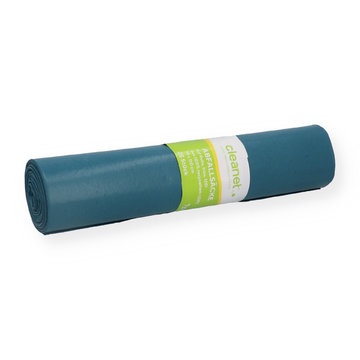
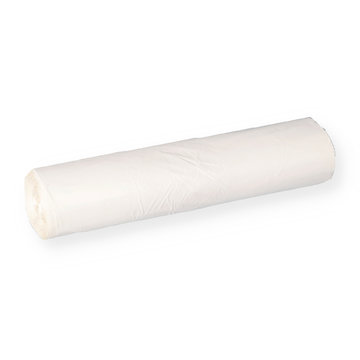
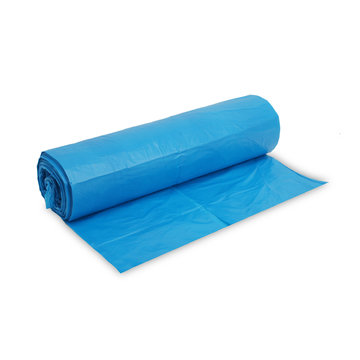
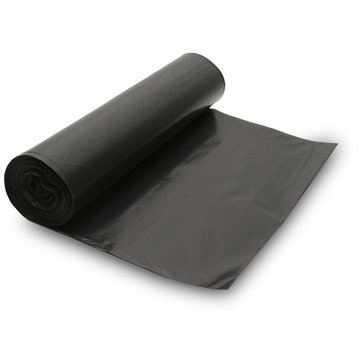
At Nette, you’ll findtrash bags, garbage bags, and hygiene bags for the food service and commercial sectors in a variety of sizes, materials, and styles. The product range extends from small trash bags for trash cans to trash sacks for larger volumes of waste, as well as hygiene bags and matching dispenser systems for restrooms.
Whether you’re in a commercial kitchen, restaurant, hotel, cafeteria, care facility, food processing plant, office, or manufacturing company: Choose bags and sacks that match your container size, waste volume, and operational needs. Options include versions made of HDPE, LDPE, and paper, among others.
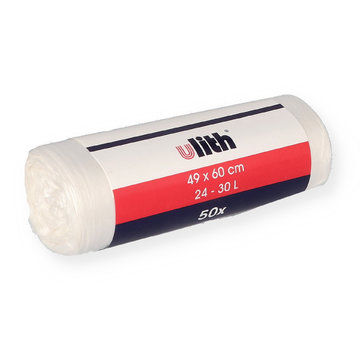
Structured waste disposal is part of daily operations in the food service industry, food processing facilities, the hospitality industry, healthcare, retail, and manufacturing. Depending on the area of operation, different amounts of waste are generated, and there are varying requirements for containers, bags, and sacks.
In our Waste Disposal product category, you’ll find a variety of solutions for small trash cans, larger collection bins, and restrooms. You can select the appropriate size, material, thickness, and design to suit your specific needs.
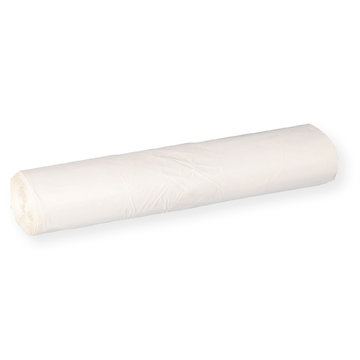
For smaller amounts of waste and standard trash cans, trash bags are available in various sizes. The range extends from compact bags for small containers to larger versions for kitchens, service areas, offices, and cleaning.
Typical applications include workstations, prep kitchens, service stations, guest rooms, restrooms, and smaller on-site collection points. When selecting bags, ensure the bag volume matches the waste container being used and the expected volume of waste.
For commercial kitchens, restaurants, catering businesses, production areas, and other facilities with higher waste volumes, trash bags with larger capacities are ideal.
Depending on the product, sizes ranging from 70 to 240 liters are available, for example. Different material options—HDPE or LDPE—allow you to select the right bag based on container size, waste type, and operational needs.
Plastic waste bags and sacks are available in materials such as HDPE and LDPE. Both materials are used for different bag thicknesses, sizes, and applications.
Which type is suitable for a particular operation depends, among other factors, on the type of waste, weight, container shape, and desired bag thickness. Therefore, product-specific details regarding material, dimensions, and design should be considered when making a selection.
Waste bags are available in different colors depending on the product. Color variations can help assign bags to specific work areas, collection points, or internal waste disposal processes.
Which color is assigned to which type of waste should be based on the respective company’s waste management plan and the guidelines of the responsible waste management provider. A specific bag color does not automatically correspond to a standardized waste category nationwide.
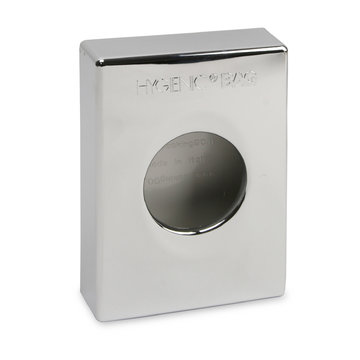
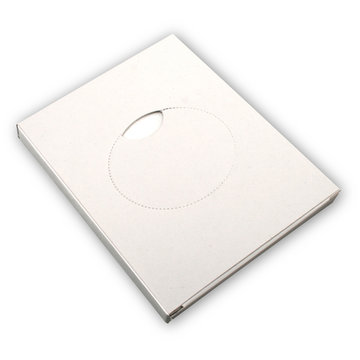
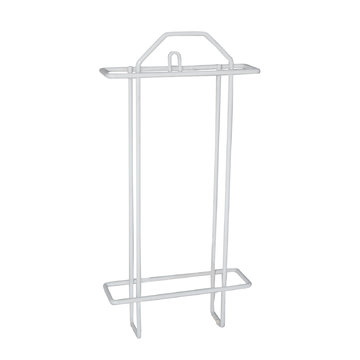
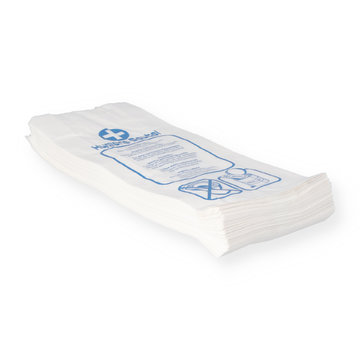
You’ll find hygiene bags and matching dispenser systems for guest restrooms, employee restrooms, hotels, restaurants, and public restrooms.
The bags enable discreet waste disposal in restroom areas. Complementary dispensers ensure that hygiene bags can be made available directly at their intended location.
In restaurants, snack bars, cafeterias, butcher shops, bakeries, and other food service establishments, waste is generated in various work areas. Small trash bags, for example, can be used at food preparation stations, while larger trash bags are intended for central collection bins.
For structured operational waste management, bag size, container size, waste type, and replacement frequency should be coordinated. This allows work areas and collection points to be clearly organized.
The hospitality industry, care facilities, and building cleaning services also require different bag sizes for guest rooms, restrooms, offices, and central collection points.
Smaller bags are suitable for wastebaskets and trash cans, while larger bags are designed for cleaning carts or central containers. Sanitary bags complement the equipment in restroom areas.
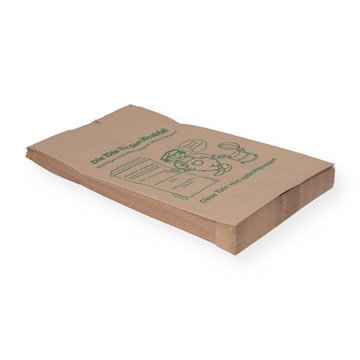
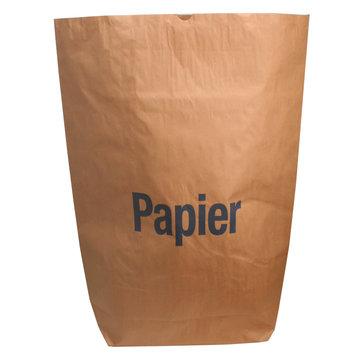
In addition to plastic bags, the product range also includes individual paper options. These include, for example, paper bags for specific organic waste applications as well as larger paper sacks.
Whether a paper bag or paper sack is suitable for a particular type of waste depends on the specific product and the intended disposal method. The relevant product specifications should therefore be checked before use.
You can find additional products for professional daily operations in our Cleaning & Hygiene section.
There you’ll find complementary products for cleaning, restroom areas, and other workplace hygiene tasks.
The right size depends primarily on the waste container being used. In addition to the nominal volume, the shape and dimensions of the container should also be taken into account. You’ll find the specific dimensions and capacity listed with each product.
Waste bags are primarily intended for larger collection bins and higher volumes of waste. Depending on the item, sizes ranging from approximately 70 to 240 liters are available in our product range.
HDPE and LDPE are different types of polyethylene used for trash bags and waste bags. The choice of material depends on the product design, thickness, type of waste, and intended use.
Yes. Different colors can be used for operational labeling of collection points or waste types. However, the specific assignment should be based on your own waste management plan and the guidelines of the responsible waste management provider.
Hygiene bags, refill packs, and matching dispenser systems are available for restrooms. They are suitable, for example, for hotels, restaurants, care facilities, businesses, and public restrooms.
Yes. The product range also includes select paper options, such as those for specific organic waste applications. Whether a particular bag is suitable for the intended disposal method should be verified based on the product specifications and local disposal regulations.