 Free service 0551 - 999 63 90
 location & Markets
 newsletter registration
 print Service
 Deutsch
 English

- Home
- To Go packaging
- Papers and films
- Blanks & cover papers (8)
Blanks & cover papers
Food-grade cut sheets and cover papers help with covering, separating, and packaging sausage, cheese, deli meats, baked goods, and other suitable foods. At Nette, you’ll find pre-cut sheets made of HDPE, PP, OPP, and cellophane, as well as covering papers in various sizes—for butcher shops, meat markets, bakeries, deli counters, restaurants, and food retailers.
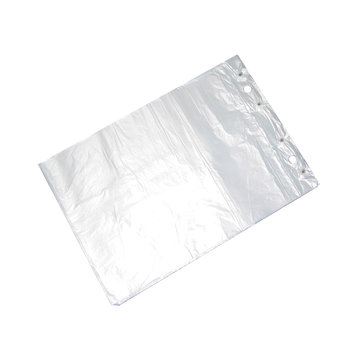
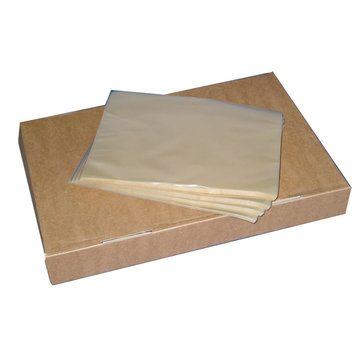
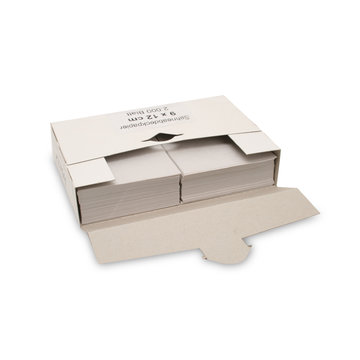
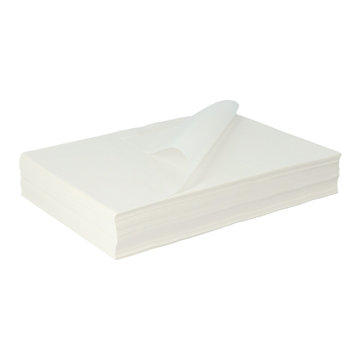
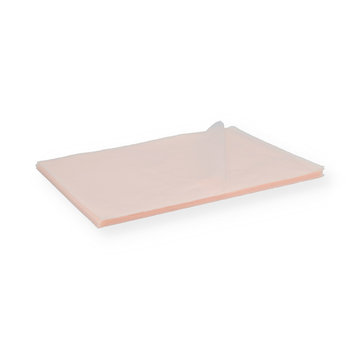
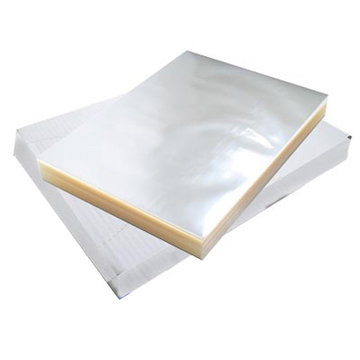
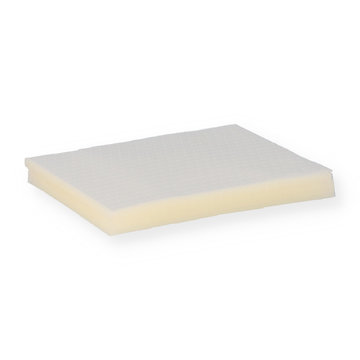
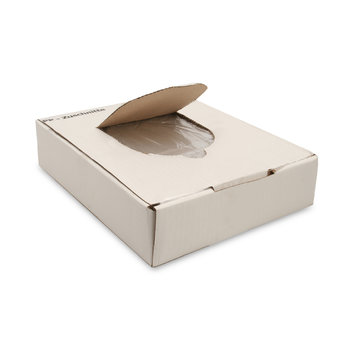
Cutting Sheets and Covering Papers for Butcher Shops, Bakeries, and Delis
Pre-cut sheets and covering papers are used in the professional food industry for a variety of purposes. They can be used to separate foods, cover surfaces, or package goods for sale and temporary storage.
Different materials are available depending on the application. In this category, you’ll find cut sheets made of HDPE, PP, OPP, and cellophane, as well as various types of covering paper. The specific choice of material should be based on the food item in question and the intended conditions of use.
Cream-covering paper for cakes and baked goods
Cream-covering papers are used primarily in bakeries and pastry shops. They can be placed between delicate layers of cake, pastries, or cream, or used to cover suitable baked goods.
Please refer to the respective product specifications to determine which types of food and contact conditions are suitable for the specific item.
For additional supplies for baked goods, retail counters, and takeout sales, see Bakery Supplies.
HDPE Sheets for the Professional Food Industry
HDPE cut sheets are made of high-density polyethylene and are available in various designs. Depending on the product, they are suitable for separating, covering, or packaging suitable foods.
The available variants differ, among other things, in terms of color, size, and packaging unit. Before ordering, please check the product-specific information regarding food safety and the intended conditions of use.
OPP sheets and micro-perforated versions
OPP cut sheets are made of oriented polypropylene. In addition to solid versions, microperforated cut sheets are also available. Depending on the application, the microperforations can allow for air exchange and are used for certain types of food packaging.
For individual OPP die-cuts in this category, suitability for food contact is documented. Please refer to the respective product page for information on which food types, temperatures, and contact times are permitted.
PP Sheets for Various Applications
PP sheets made of polypropylene complement the product range for food processing and retail. Depending on the item, they may be intended for various dry, moist, or fatty foods.
Since applications may vary depending on the product, the relevant food contact specifications should be checked before use.
Cellophane cut sheets for transparent product display
Cellophane sheets offer a transparent surface, allowing a direct view of the contents. They can be used, for example, with suitable deli, cheese, or confectionery products.
Cellophane is also known as cellulose hydrate. Information regarding food contact, temperature, and, where applicable, disposal properties should always be specific to the individual product.
Sheets for Butcher Shops
In butcher shops and meat markets, cut sheets are used, for example, to separate and package sausage, meat, and deli products. Different materials may be suitable depending on the food item.
You can find additional supplies for fresh food counters and food processing under “Butcher Shop Supplies.”
For deli counters and food retailers
Delicatessens, fishmongers, and grocery stores can also use cut sheets and cover papers for the presentation and packaging of suitable goods. It is important to select a material appropriate for the moisture content, fat content, and contact time of the respective food item.
For additional packaging and films, you’ll find complementary products in our main category, “Paper & Films.”
Distinguishing Between Pre-Cut Sheets, Plastic Wrap, and Baking Paper
Pre-cut sheets and cover papers are already cut to a specific size and are often placed directly between or on top of food items. Food wrap, on the other hand, is used off the roll and is suitable for other applications such as covering and wrapping.
You can find matching roll products and dispenser systems under “Food Wrap & Dispensers.” Baking parchment is also available for ovens, baking sheets, and baked goods.
Choosing the Right Material for Your Food
Which pre-cut sheet is suitable depends on several factors: type of food, fat and moisture content, temperature, contact time, and desired presentation.
- HDPE: for various applications in the food industry, depending on the product design
- PP: for suitable foods and defined contact conditions
- OPP: transparent film, also available in micro-perforated versions in some cases
- Cellophane: transparent sheets for visible product display
- Covering paper: for baked goods, cakes, or other intended applications
The product-specific specifications for each item always take precedence.
Frequently Asked Questions About Cut Sheets and Covering Paper
What are cut sheets and cover papers used for?
They can be used to separate, cover, or package suitable food items. Typical applications include butcher shops, meat markets, bakeries, deli counters, and grocery stores.
What materials are available for die-cut sheets?
In this category, you’ll find pre-cut sheets made of HDPE, PP, OPP, and cellophane, as well as various types of paper. The materials differ in terms of transparency, strength, and intended use.
Are the cut sheets suitable for contact with food?
The items intended for this purpose are designed for food contact. Please refer to the respective product information to determine which types of food, temperatures, and contact times are suitable for the specific product.
Are the pre-cut sheets suitable for use with fatty foods?
That depends on the specific material and product. For certain products, contact with fatty foods is explicitly intended. However, a blanket statement cannot be made for all die-cut sheets in this category.
Are all cut-outs flavor-neutral?
It is not appropriate to make a blanket statement about flavor neutrality for the entire category. If relevant test results or manufacturer specifications are available for a specific item, this property may be indicated there.
Are die-cuts and release liners recyclable?
Recyclability depends on the specific material, the product design, and the available collection, sorting, and recycling infrastructure. A blanket statement regarding HDPE, PP, OPP, cellophane, and coated or paraffin-treated papers should therefore be avoided.
What is the difference between OPP and PP?
PP stands for polypropylene. OPP is oriented polypropylene, in which the material is stretched during the manufacturing process. This results in different mechanical and optical properties. Which version is suitable depends on the specific application.
What does “microperforated” mean in the context of OPP blanks?
Micro-perforated sheets have many very small openings in the film. These can allow for limited air exchange. Whether this is appropriate for a given food product depends on the product and its application.
Which pre-cut sheets are suitable for butcher shops?
Depending on the food item, HDPE, PP, OPP, or other suitable sheets can be used in butcher shops. It is important to consider the product’s fat content, moisture, temperature, and contact time.
Which cover papers are suitable for bakeries?
Special cream-covering papers are available for cakes, pastries, and other suitable baked goods. Their specific suitability depends on the particular item and its intended use.