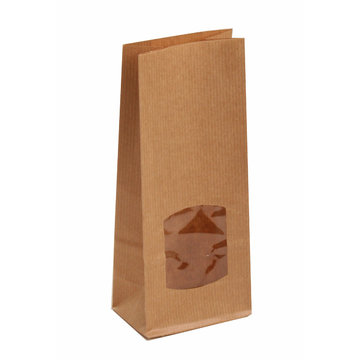
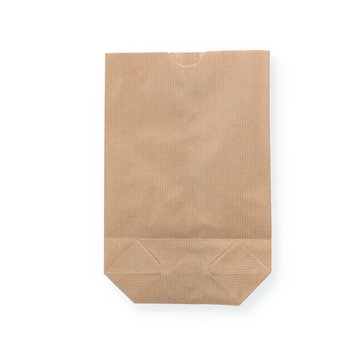
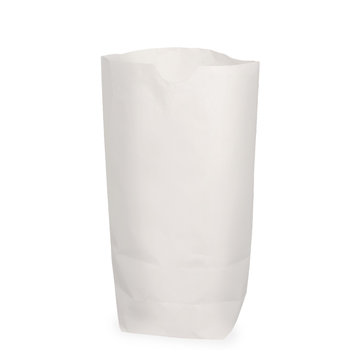
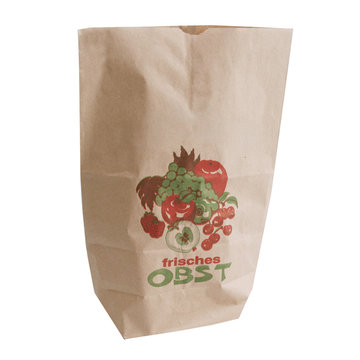
Paper bottom bags are ideal for packaging and displaying a variety of food items and merchandise. At Nette Deutschland, you’ll find paper bottom bags made of brown and white kraft paper, as well as versions with a see-through window, an insert, or a printed design.
Whether it’s baked goods, confectionery, fruit, vegetables, potatoes, or other dry and suitable foods: Choose the size, material composition, and design that best suits your product range. Thanks to their rectangular bottom, many of these bags are easy to fill and can be displayed on sales floors or at the counter.
Paper bottom bags combine a stable bag shape with a variety of sizes and material options. Thanks to their molded bottom, they are easier to fill than many flat bags and, depending on the variant, are suitable for baked goods, confectionery, fruit, vegetables, potatoes, and other retail products.
The product range includes, among other items, brown and white paper bags with gusseted bottoms made of kraft paper, versions with see-through windows, lined designs, and custom-printed specialty bags. This allows bakeries, farm stands, farmers’ market stalls, grocery stores, and other businesses to select packaging that matches their products and sales format.
You can find additional styles made of paper, plastic, and cellophane in our bottom-seal bags category.
Brown kraft paper bottom-seal bags are suitable for numerous applications in the food and retail sectors. The natural paper color ensures a subtle product presentation and pairs well with a variety of product lines.
Depending on the size, these bottom-sealed bags can be used, for example, for pastries, bread products, confectionery, fruits, vegetables, or other retail items. The relevant product-specific information is crucial for food contact.
White bottom bags offer a neutral, light-colored surface and are particularly suitable when the product, print, or label is intended to stand out more visually.
They can be used, for example, in bakeries, pastry shops, delicatessens, farm stands, and traditional grocery stores. A variety of sizes allows you to choose the one that best fits the intended fill quantity.
With bottom-sealed bags featuring a window, part of the contents remains visible from the outside. This can be particularly helpful for baked goods, confections, dry goods, or other visually appealing products.
The window is an integral part of the respective packaging design. The material and construction vary depending on the product. Therefore, information regarding food contact suitability or recyclability should always refer to the specific variant.
Some bottom bags are additionally equipped with a liner made of glassine, parchment substitute, or plastic. Such designs can be used for products where a single layer of paper is insufficient or where additional barrier properties are required.
The specific foods and applications for which they are intended depend on the exact material composition. Information such as grease resistance or suitability for moist foods should therefore not be generalized to apply to all paper-bottom bags.
In bakeries and pastry shops, bottom-sealed bags can be used for items such as pastries, cookies, small baked goods, or pre-packaged retail offerings. Various sizes allow for adaptation to quantity and product size.
You can find additional packaging specifically for bread, rolls, and baked goods in our bakery supplies section.
The product range also includes bottom-seal bags for items such as fruit, grapes, or potatoes. Printed designs and product-specific sizes make it easier to organize items on the sales floor and can enhance product presentation.
Bottom-sealed bags are particularly well-suited for farm stands, direct sellers, and market stalls when loose goods need to be offered in portions while still being presented attractively. You can find additional suitable products under “Packaging for Village and Farm Stores.”
Depending on your product range, unprinted paper bottom bags as well as versions with plain or printed designs are available. While unprinted versions are versatile, printed bags can highlight specific product categories or seasonal offers.
For traditional retail, you’ll find additional packaging and sales products in our Retail category.
When selecting a bottom bag, the width, height, base depth, and intended fill volume are particularly important. A properly sized bag makes filling easier and avoids unnecessarily large packaging.
With an eye toward future requirements for packaging minimization, it also makes sense to tailor the size and material composition as closely as possible to the product. However, it remains crucial that the packaging fulfills its protective, transport, and presentation functions.
Many stand-up pouches in this product category are intended for direct contact with food. However, their specific suitability depends on the paper used, any coating, liner, or window film, as well as the specific food item.
For some paper grades, the underlying tests explicitly confirm their suitability for use as food packaging. Additional conditions may apply for multi-layer or composite materials. Therefore, the specifications for the respective product variant are decisive.
At Nette Deutschland in Göttingen, commercial customers and private buyers can find paper bottom bags for a variety of sales and packaging needs. The product range is aimed at, among others, bakeries, pastry shops, farm stands, direct sellers, weekly market stalls, food retailers, and general retailers.
Compare the size, color, material composition, and features of the various bottomed bags and choose the design that best suits your product and sales process.
You can find additional bags and pouches in the Bags and Pouches category.
A bottomed bag has a molded bottom, which allows the bag to hold more volume when filled and, depending on the design, to stand more securely. Paper bottomed bags are therefore frequently used for food and other loose products sold by weight.
Depending on the type, they are suitable, for example, for baked goods, confectionery, fruits, vegetables, potatoes, dry goods, and other retail items. Specific suitability for food should always be verified based on the product specifications for each item.
This product category is primarily geared toward food packaging. However, since material composition, windows, and liners vary, suitability for food contact should be checked on a product-by-product basis. The information on the respective product page is authoritative.
For fatty foods, only variants that are expressly intended for this purpose should be used. Depending on the product, options such as lined bottom bags or special material designs may be suitable. It should not be assumed that all paper bottom bags are universally suitable for fatty foods.
A see-through window allows you to view the contents without having to open the bag. This can enhance product presentation, particularly for baked goods, confectionery, and other visually appealing products.
A standard bottom-sealed bag is made primarily of paper. Lined versions have an additional inner layer, such as glassine, parchment substitute, or another material. As a result, their barrier properties and performance characteristics may differ.
Whether a bottom bag is recyclable depends on its specific material composition. Pure paper versions may be assessed differently than bags with windows, plastic liners, coatings, or multi-layer laminates. Therefore, recyclability should not be generalized for the entire product category.
The main component may be paper, but depending on the item, the viewing window consists of an additional material. Therefore, material specifications and disposal instructions should always be considered for the specific variant.
The appropriate size depends on the product’s dimensions, weight, and desired fill volume. The bag should provide enough space for filling but should not be unnecessarily large.
You can find additional styles made of paper, plastic, and cellophane in our Bottom-Seal Bags category. For a broader overview of packaging bags, visit our Bags and Pouches section.