 Free service 0551 - 999 63 90
 location & Markets
 newsletter registration
 print Service
 Deutsch
  English
Buy Stand-Up Pouches – Paper, Plastic, and Cellophane
Stand-up pouches are versatile packaging solutions for food, confectionery, baked goods, snacks, and many other retail products. Depending on the application, a variety of materials, sizes, and designs are available. At Nette, you’ll find bottom-sealed bags made of paper, clear plastic, and cellophane—perfect for the needs of bakeries, restaurants, grocery stores, farm stands, and retail.
The right bottom-seal bag depends primarily on the contents and the desired presentation. Paper bags are particularly well-suited for classic product presentation and dry foods. Transparent plastic bottom-seal bags highlight the contents, while cellophane offers another transparent packaging option.
Select the appropriate material category directly and discover bottom-sealed bags in various sizes and designs.
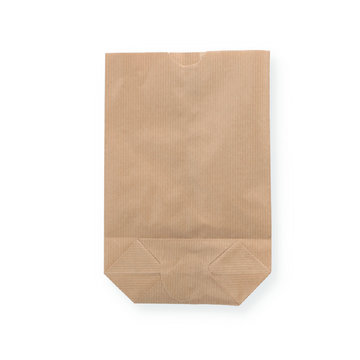
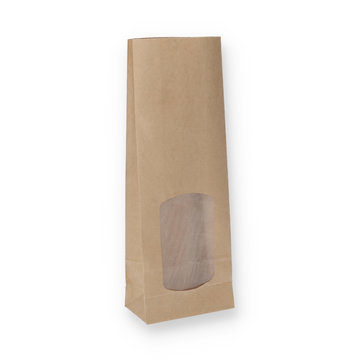
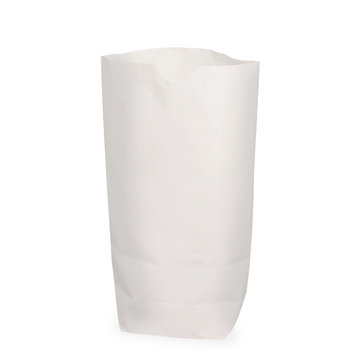
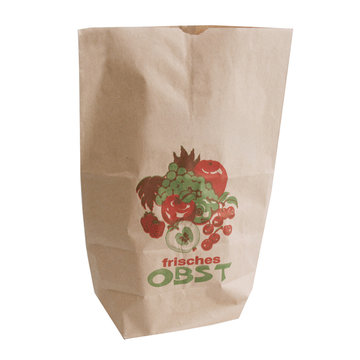
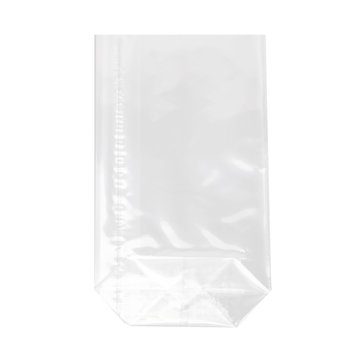
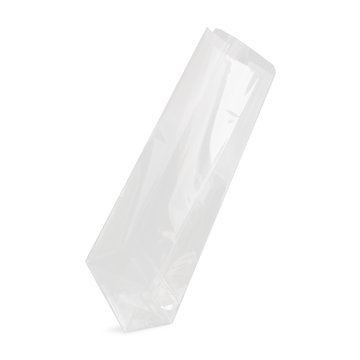
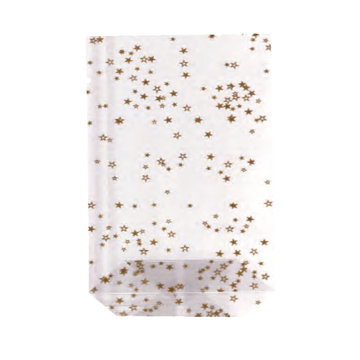
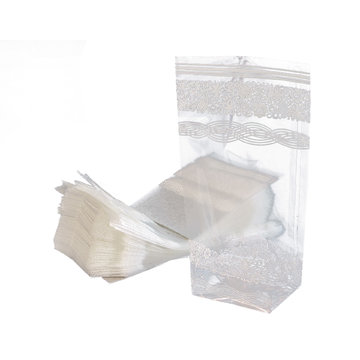
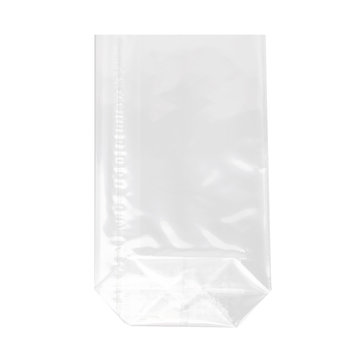
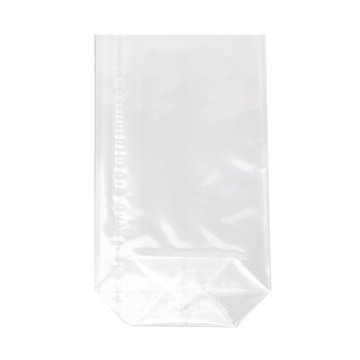
Choose the Right Stand-Up Pouch for Your Product
The right bottom-sealed bag depends primarily on the product, the desired material, and the type of product presentation. For dry foods such as baked goods, confectionery, nuts, or snacks, various designs are suitable. Key factors include visibility, stability, size, and the method of filling.
Paper bottom-seal bags
Paper stand-up pouches are particularly suitable when a classic paper look is desired. They are used, for example, for baked goods, confectionery, and dry foods. Depending on the design, they vary in paper quality, color, and dimensions.
If you’re specifically looking for this material option, you’ll find the complete selection under “Paper Bottom Bags.”
Transparent plastic bottom-seal bags
With plastic bottom-seal bags, the visibility of the contents is the main focus. Transparent PP or OPP versions are suitable, for example, for confectionery, baked goods, snacks, or other retail products where the merchandise is to be presented visibly.
You can find all available options under “Plastic Bottom-Seal Bags.”
Cellophane bottom-seal bags
Cellophane also allows for a transparent product presentation. These bags are suitable for dry foods and smaller retail items, among other things.
You can find the available sizes and styles under Cellophane Bottom-Seal Bags.
What should you look for when buying bottom-sealed bags?
Material
The material should be suitable for the contents and the desired presentation. Paper provides a classic look, while plastic and cellophane make the contents visible.
Size
The stand-up pouch should provide enough space for the contents without being unnecessarily large. The width, height, and base depth are particularly important.
Contents
Not every stand-up pouch is automatically suitable for every food item. For greasy, moist, or hot foods, therefore, the specific product characteristics and instructions for the respective pouch design should always be followed.
Presentation
For confectionery, baked goods, and decorative retail products, transparent packaging can be a good choice if the contents are to be displayed. For other applications, a classic paper look is ideal.
Packaging Unit
In commercial use, the sales unit also plays an important role. Especially in bakeries, the food service industry, retail, and manufacturing, the required quantities and regular consumption should be taken into account when making a selection.
Stand-up Pouches for Commercial Use, Retail, and Events
Stand-up pouches are used in many commercial settings where food, confectionery, or other retail products need to be packaged practically and presented attractively. Depending on the contents and desired appearance, stand-up pouches made of paper, plastic, or cellophane are available.
Typical applications include:
- Bakeries and pastry shops
- Candy and deli stores
- Farm and village stores
- Food retail
- Restaurants and snack bars
- Market and sales stands
- Fairground vendors and sales booths at folk festivals
- Christmas markets, Advent markets, and seasonal sales stands
For fairground vendors, market stalls, and Christmas markets in particular, stand-up pouches are ideal for dispensing and displaying roasted almonds, nuts, candies, pastries, or other dry snacks. The appropriate design depends on the product, the required size, and the desired product presentation.
Frequently Asked Questions About Floor Bags
What types of floor bags are available?
At Nette, you’ll find floor bags made of paper, plastic, and cellophane. The most suitable material depends on the contents, the desired look, and the type of product presentation.
Are the bottom-sealed bags suitable for food?
Yes. All stand-up pouches in our product range are food-safe and suitable for contact with food. Depending on the design, they are suitable, for example, for baked goods, confectionery, nuts, pastries, snacks, or other dry foods. For greasy, moist, or warm foods, you should also consider the specific product characteristics of the respective design.
What is the difference between paper and plastic bottom-seal bags?
Paper bottom-seal bags offer a classic paper look and are suitable for many dry foods and retail products. Transparent plastic bottom-seal bags, on the other hand, allow a direct view of the contents and are particularly suitable when the merchandise is to be displayed visibly.
What size should a bottom-seal bag be?
The appropriate size depends on the specific contents. In particular, width, height, and base depth should be taken into account. The bottom-sealed bag should provide sufficient space without being unnecessarily large for the product.
Are there transparent bottom-seal bags?
Yes. Transparent bottom-seal bags are available, particularly in plastic and cellophane varieties. They are well-suited for products that need to be presented visibly and attractively on the sales floor.
Which bottom-sealed bags are suitable for roasted almonds and confectionery?
For roasted almonds, nuts, confectionery, and pastries, various bottom-sealed bags are suitable depending on the desired appearance. Paper bottom-sealed bags offer a classic packaging look, while transparent versions made of plastic or cellophane showcase the contents. The key factors are the required size and the specific product characteristics.